If you want to get the most performance out of a rifle, turn a discerning eye to the stock. Sure, most of the accuracy comes from the barrel and chambering job but accessing that accuracy consistently — and in adverse conditions — requires a great stock. Good luck finding someone to speak intelligently on the subject. It’s taken me many years, and I’ve found three guys in the entire firearms industry who really know their stuff. One of those guys is a fella named John-Kyle Truitt of Foundation Stocks.
Shooting whitetail at 100 yards doesn’t require much from a riflestock. Getting consistent half-minute-of-angle (MOA) performance out of a rifle requires a lot, especially when shooting from locations other than a bench. Foundation builds stocks for those seeking the latter, now available for Seekins Havak PH3 rifles. What makes Foundation Stocks unique is its materials. Carbon fiber is no longer uncommon in this business, but pairing it with Micarta and Kevlar is a combination unique to Foundation. This wasn’t done just to be special. It is the result of nearly 3 years of effort designing the ideal precision hunting stock.
Must-Haves
Key attributes of a stock in this class are lightweight, rigidity and ergonomics. It should also play well with Arca rails, the attachment method of choice for precision rifle shooters. This is a tougher combination to pull off than you might expect. For example, getting an injection-molded stock rigid enough for precision shooting is possible, but that stock will be heavy. Foundation Stocks took the time to select the best materials it could find to create what it believes is the best combination possible for precision hunters.
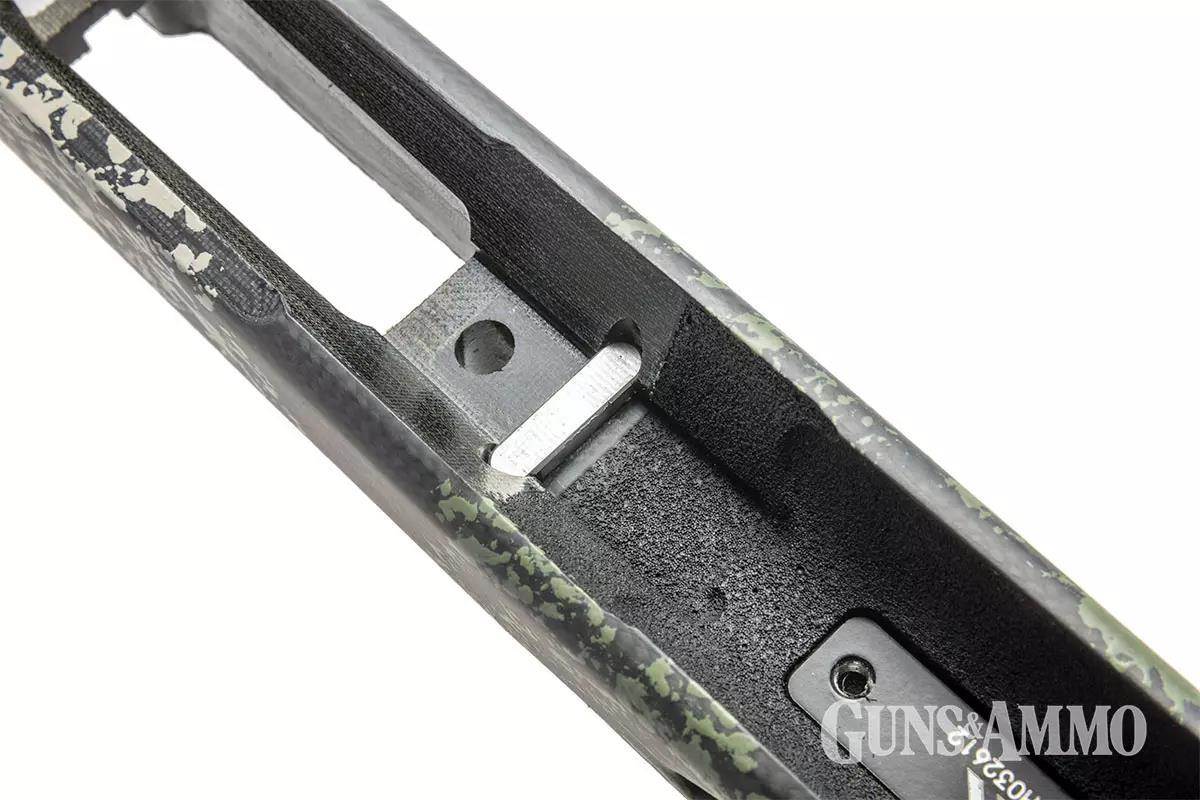
It all started with a Micarta bedding block. The stock evaluated for Guns & Ammo is Foundation Stock’s Ezekiel model for the Seekins PH3. The Micarta block has an integral recoil lug that sits in a recess in the receiver. Micarta has two advantages versus other materials for use as a bedding block. The first is the vibration-dampening characteristic of the material. Micarta can take energy from the recoil force and dissipate it through the body of the material. Aluminum, for example, cannot do this. The dampening feature means less trauma for the receiver, so the receiver doesn’t want to move around as much when the rifle fires. The second attribute of Micarta is that its thermal expansion rate is identical to that of steel. As temperature changes, the relationship between the steel receiver and the Micarta bedding block doesn’t change. Aluminum, again as an example, has a 13-to-one expansion difference. As the temperature changes, the steel receiver and aluminum bedding block will not change at the same rate. This can manifest as the odd “flyer,” which frequently gets dismissed or misattributed.
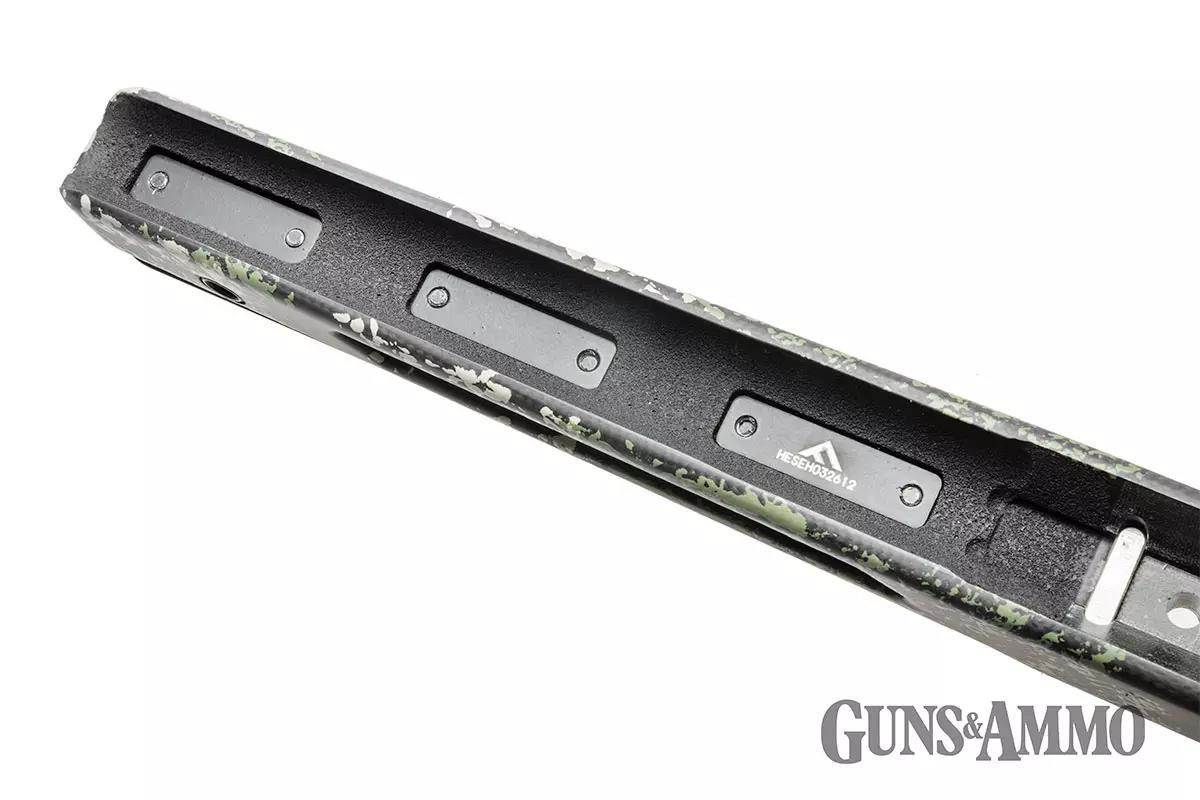
Micarta is a big part of Foundation Stock’s secret recipe, but a bedding block doesn’t address all the stock’s duties. The Micarta block is fused to a foam core around which Foundation pulls a carbon-fiber-and-Kevlar sleeve. The two fiber materials are woven together like Grandma’s afghan. Kevlar is a nightmare to work with and is an ugly yellow, but it offers tremendous strength when used in conjunction with carbon fiber. A carbon-fiber exterior sleeve is also used on the stock to reinforce key areas and to create a uniform appearance.
Glue It
Next comes the epoxy. I only know of two stock manufacturers that select the fibers and epoxies they use in their stocks. Everyone else uses carbon-fiber material called “pre-preg,” which stands for pre-impregnated carbon fiber. Pre-preg already has the epoxy embedded in the carbon fiber. This makes it easier to work with, but limits what can be done with shapes. Pre-preg is also typically heavier.
Foundation takes the Micarta and foam core with the sleeve(s) around it and puts it in the mold. Epoxy under high pressure is injected into the mold while there is a simultaneous vacuum in the mold. This forces the epoxy through the carbon and Kevlar fibers, saturating the material. The tremendous vacuum and pressure force epoxy throughout the stock, while also pulling excess epoxy out of the mold. This results in a light and strong shell. Since the Micarta block and foam core are in the mold, and encased in the fiber sleeve when the pressure, vacuum and epoxy arrive, the entire combination fuses and functions as a monolithic piece once it cures.
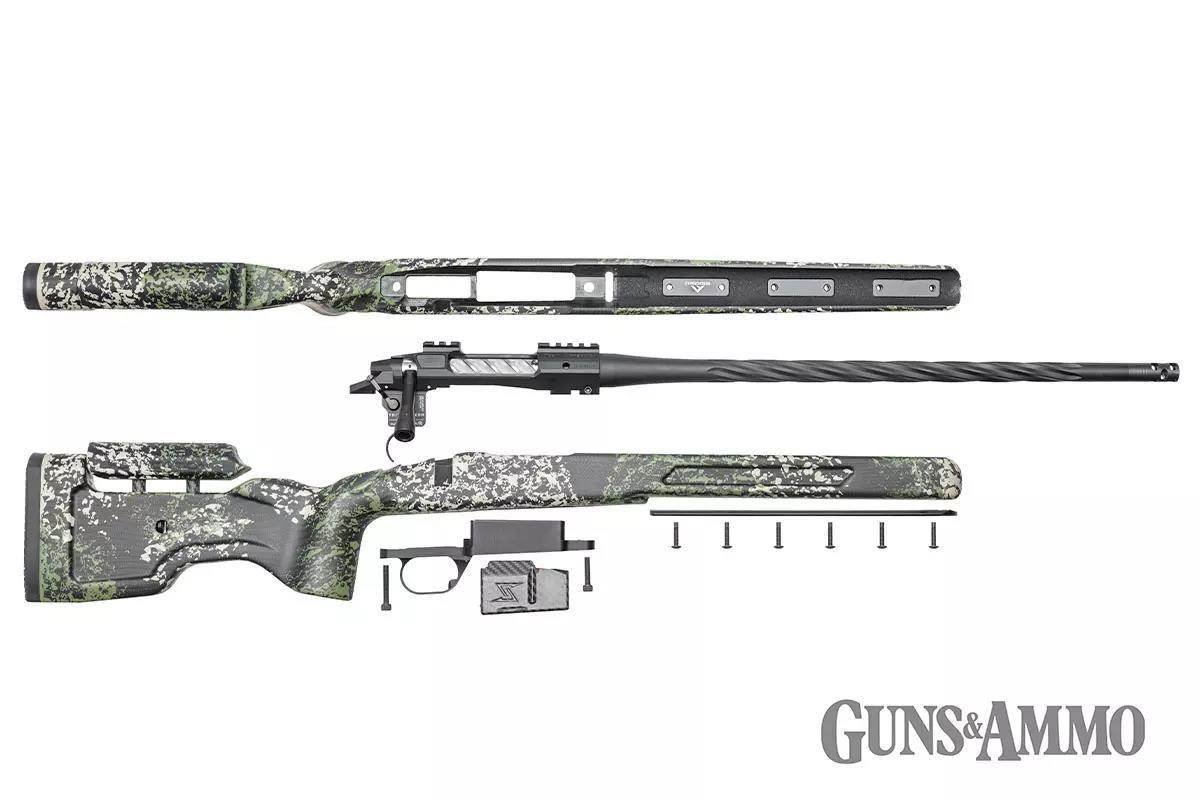
A rifle stock is the only component that connects the shooter to the barreled action, which contains all the pressure of a fired cartridge. The connection between stock and receiver is critical. While the Model 700 footprint is ubiquitous, the PH3 receiver has the significant advantage of about three times as much action screw engagement.
Action screws are the only thing holding the barreled action in the stock. The M700 footprint has about three screw-turns of engagement, meaning a shooter needs to check them regularly to ensure they don’t loosen. Seekins’ PH3 screws work loose far less thanks to the prodigious engagement, and they do a better job of immobilizing the receiver in the stock or chassis. Now that Foundation Stocks supports Seekins’ footprint, an excellent receiver design that can take advantage of the many stock features I’ve described. While the PH3 leaves Seekins Precision with a good stock, the Foundation stock is in a category of its own. Those that wish to wring the most out of a PH3 now has a stock that leverages all the latest materials and design. A great rifle just got better.
Weight
For better or worse, the first question most riflemen inquire about regarding a stock is the weight. Foundation Stocks’ Ezekiel is about 9 ounces lighter than the factory PH3 stock from Seekins Precision. Both have an adjustable comb, but Foundation Stocks’ comb uses lighter hardware. The PH3 is made with injection-molded carbon fiber that is rigid and offers great accuracy. It’s a good stock but Foundation Stocks’ Ezekiel is just more rigid and has the Micarta bedding block. Again, Micarta is a material that offers some highly desirable characteristics.
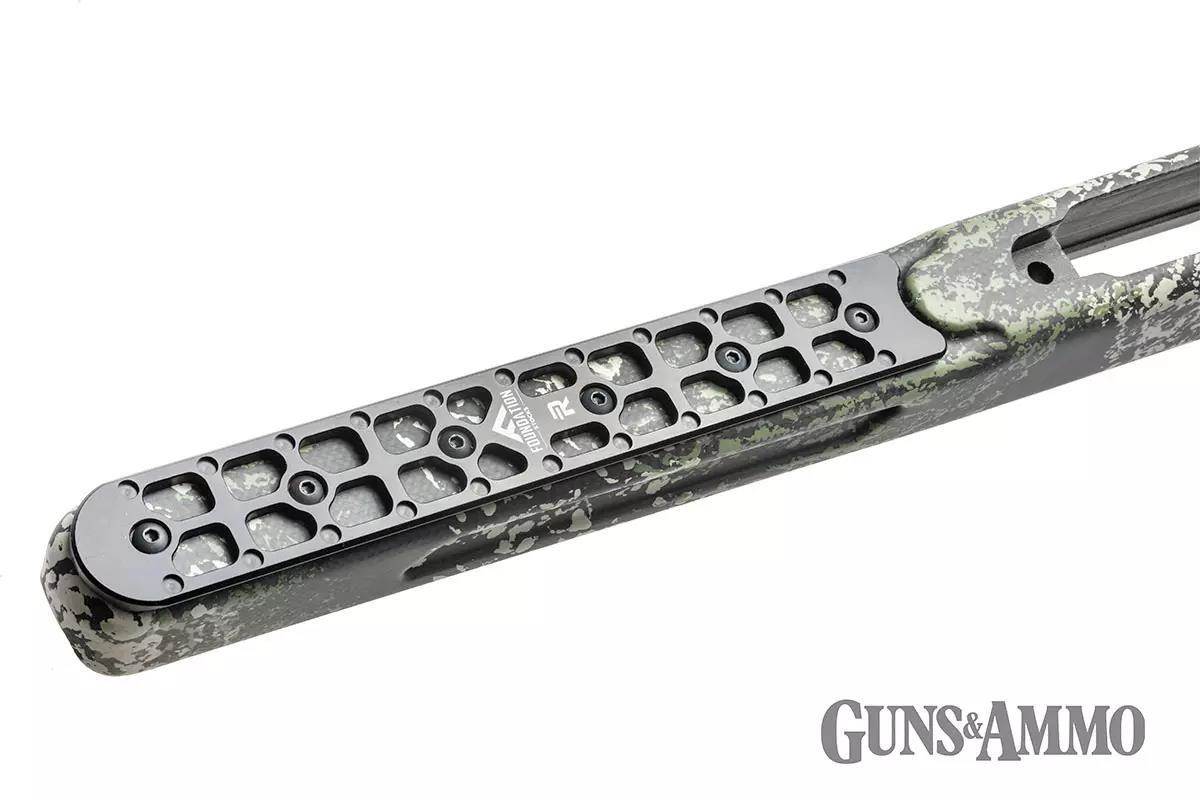
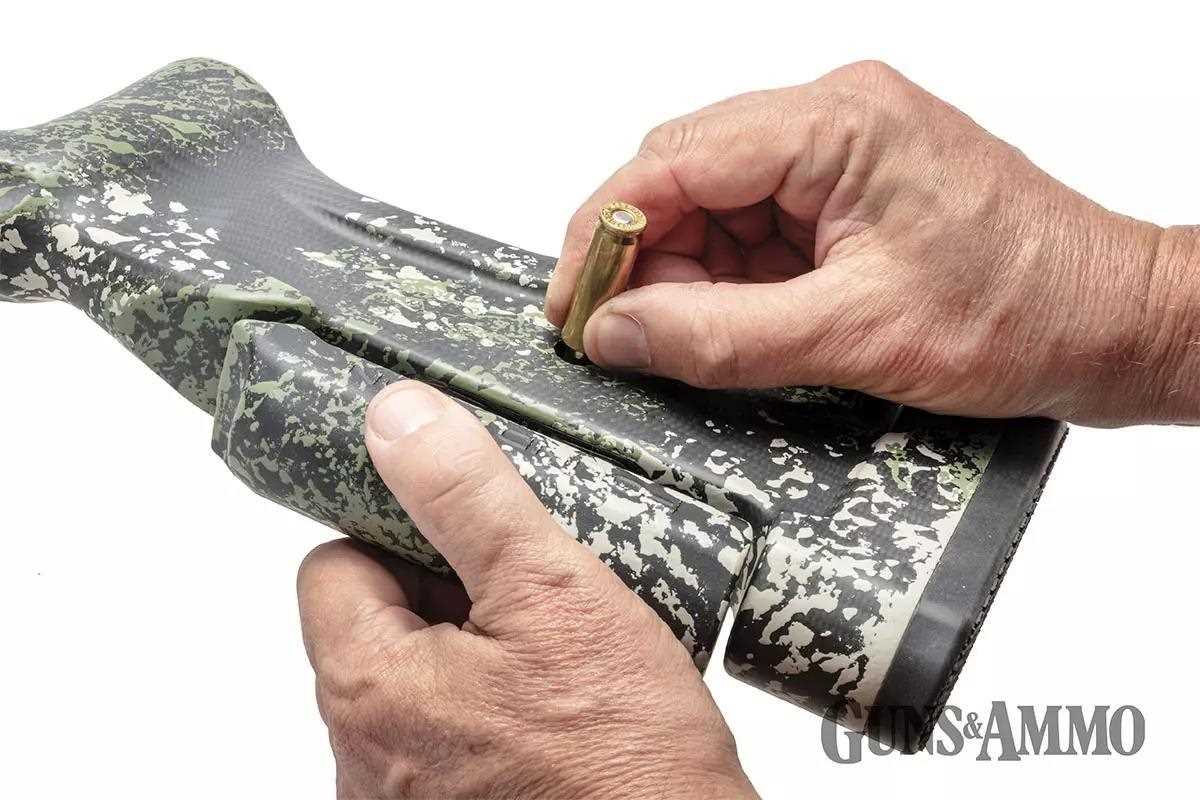
Foundation Stocks’ Ezekiel for the Seekins PH3 uses standard M5 bottom metal. It accepts both AICS-pattern and Hawkins Hunter magazines. A lightweight Arca rail that attaches to the underside of the forend is included. Even with the rail installed, the Ezekiel weighs 6 ounces less than the factory Seekins Precision PH3 stock.
The Ezekiel is the first PH3 model offered by Foundation Stocks, but additional models are planned. Foundation Stocks will also offer stocks that accept Seekins’ bottom metal, which also accepts AICS magazines. Stocks that use the Seekins’ bottom metal allow the receiver to sit lower in the stock and don’t require the purchase of anything other than the stock. Buy the stock and transfer the bottom metal, magazine and barreled action is all that’s required.


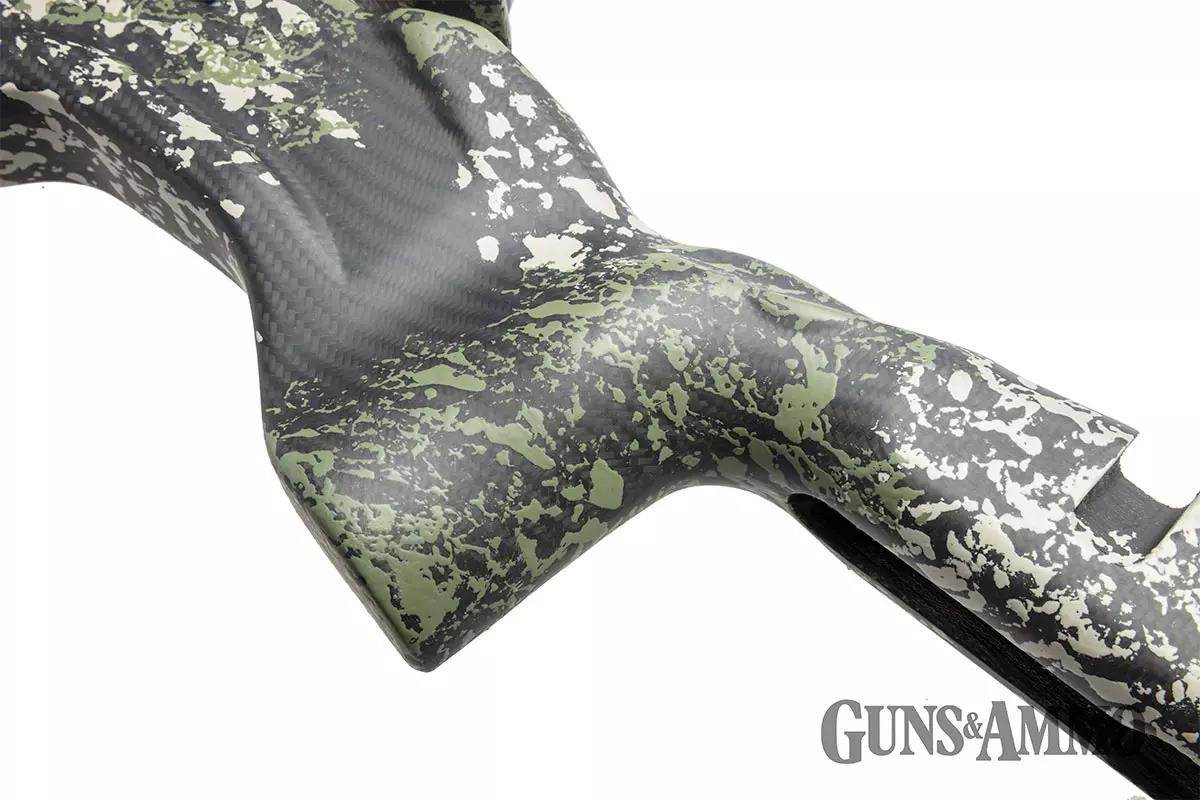
This is the first time a custom stock manufacturer has produced a model for the PH3 footprint. The PH3 is an extremely popular rifle, so having a stock specialist produce something for it is a big deal. Foundation Stocks are available in many color and camo patterns, and they offer stocks for dozens of other brands, too.
Foundation Stocks Ezekiel Hybrid
- Footprint: Seekins Precision PH3
- Weight: 2 lbs., 8 oz.
- Grip: Vertical
- Materials: Carbon fiber, Kevlar, Micarta
- MSRP: $1,475 to $1,800
- Manufacturer: Foundation Stocks, 405-567-7646, foundationstocks.com